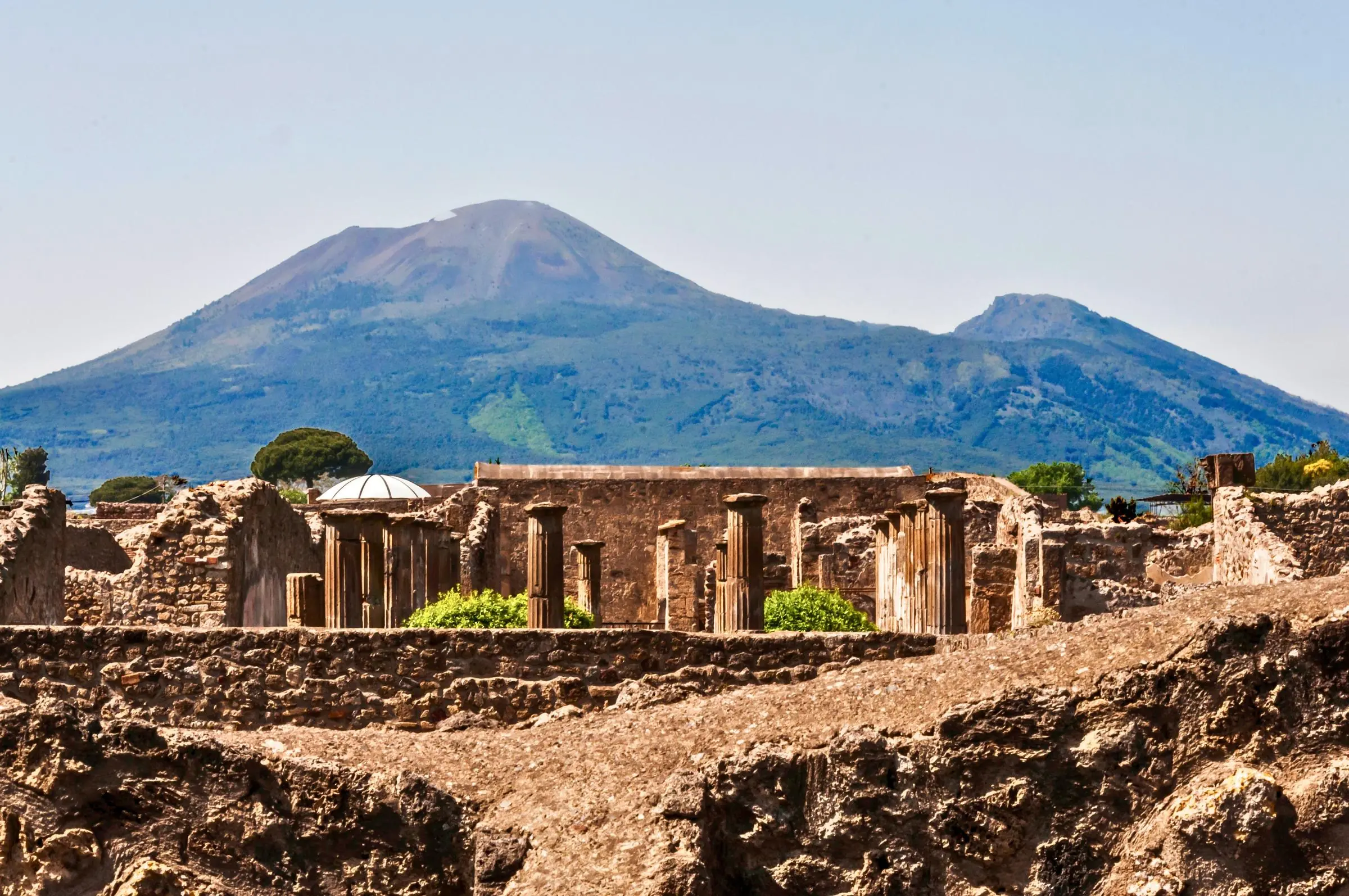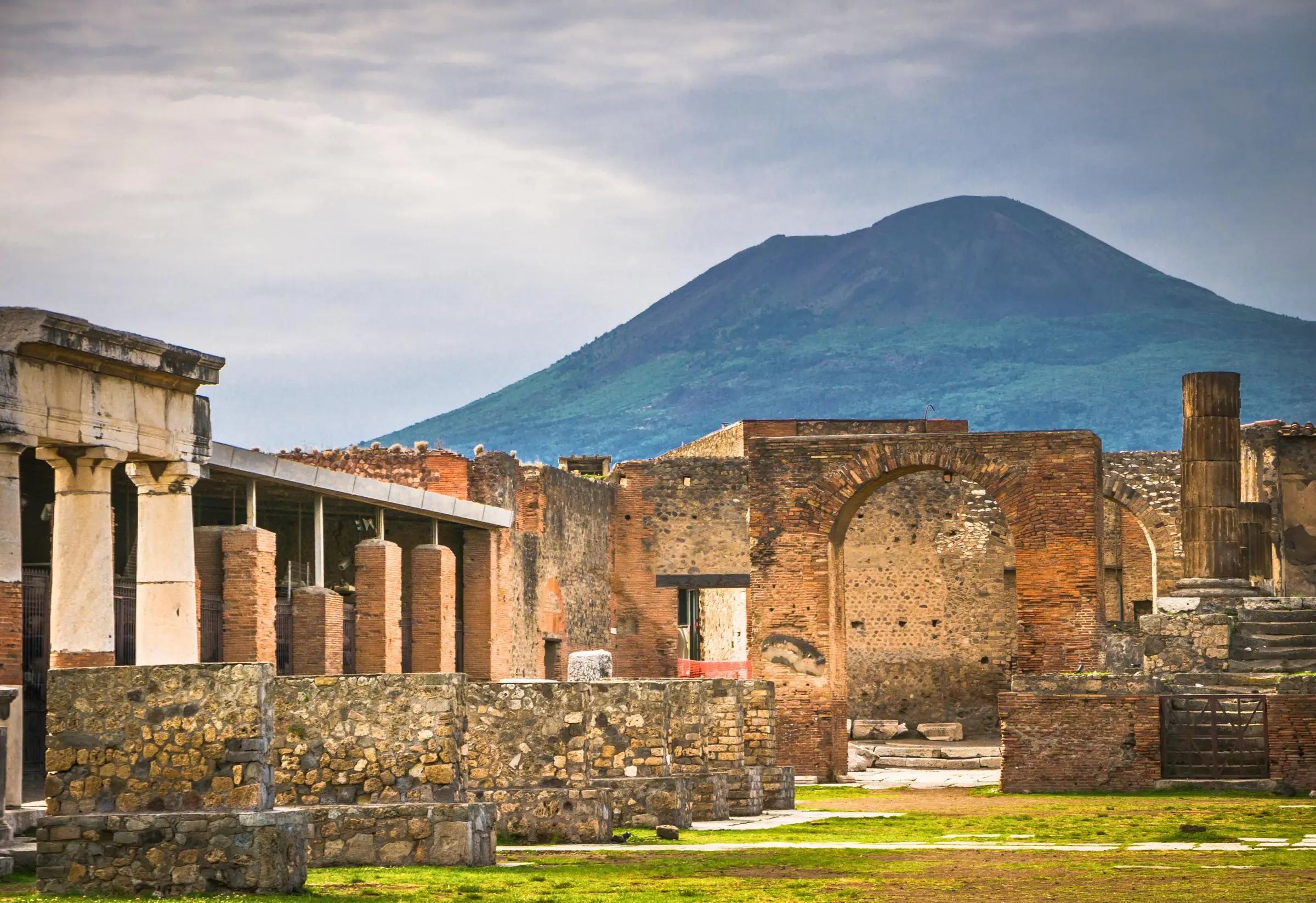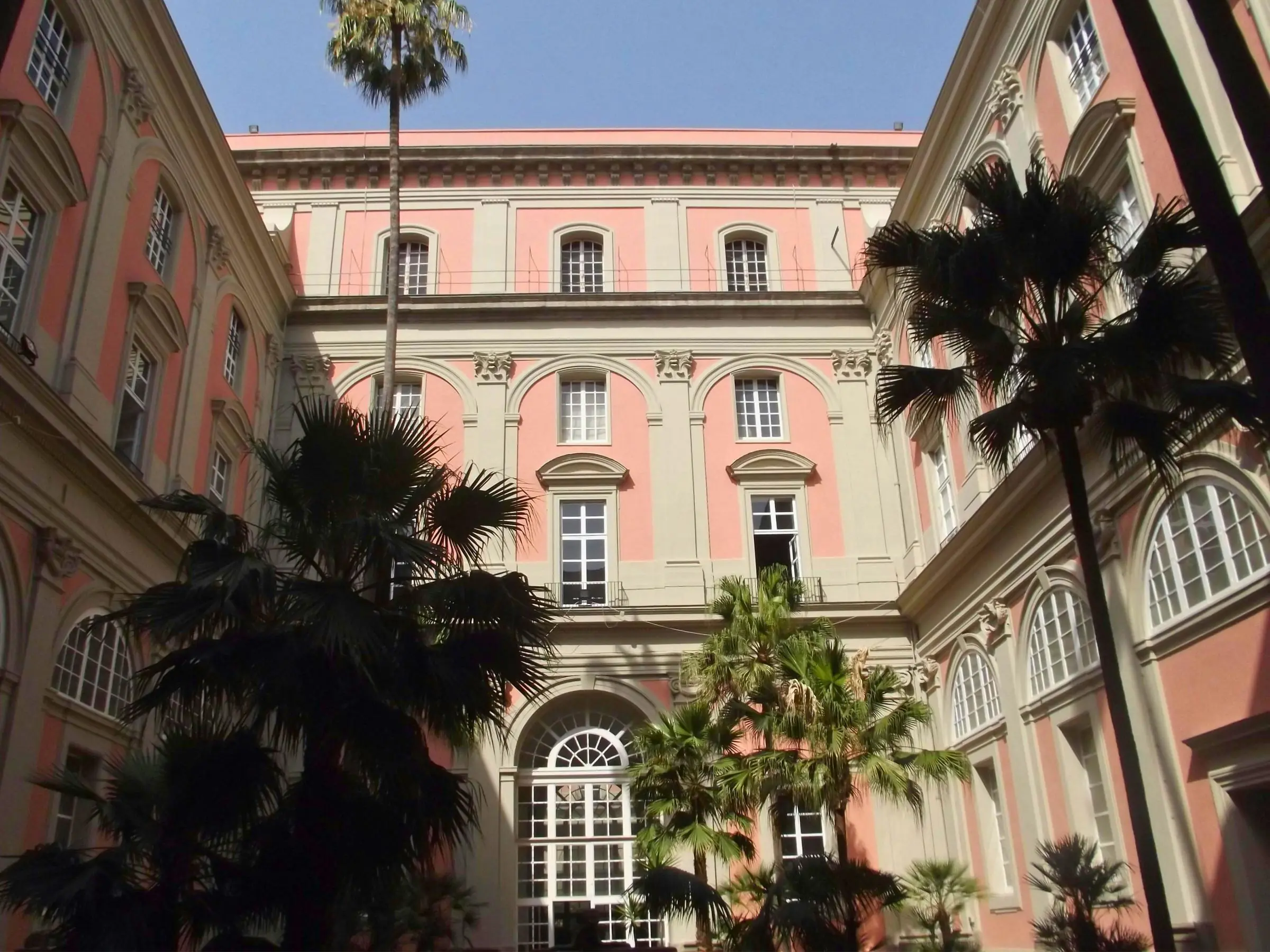
The National Archaeological Museum of Naples (Museo Archeologico Nazionale di Napoli, or MANN) is not just another city museum. It is the designated vault for almost every significant artifact, mosaic, and fresco pulled from the ashes of Pompeii and Herculaneum.
If you visit the archaeological sites without visiting MANN, you are only seeing half the story. The ruins provide the scale and the streets, but the museum holds the color, the art, and the daily objects that make the ancient Roman world feel real.
Because the museum is massive—spanning four floors of a 16th-century palace—it requires a strategy. This guide breaks down exactly how to navigate the collection, which tickets make sense for your schedule, and the strict logistical rules you need to know before you arrive.
How to Plan Your Visit by Traveler Type
MANN is overwhelming. Trying to read every placard will easily eat up four hours and leave you exhausted. Here is how to approach the museum based on your constraints.
- For the Time-Poor (90 Minutes): Skip the upper floors and the basement. Focus entirely on the Ground Floor (the Farnese Collection of massive marble statues) and the Mezzanine (the Pompeii Mosaics and the Secret Cabinet). This gives you the highest concentration of famous works.
- For Families with Kids: Head straight to the basement to see the Egyptian Collection. It is the second-largest in Italy and features mummies and sarcophagi that keep younger attention spans engaged. Note: You will want to bypass the Secret Cabinet on the Mezzanine, as it contains explicit erotic art and has a strict 14+ age restriction.
- For Budget Travelers: The museum participates in the Italian state museum initiative, meaning entry is completely free on the first Sunday of every month. Be warned: the lines wrap around the building on these days. Alternatively, if you plan to visit Pompeii and use public transit, buying the Campania Artecard covers your entry to MANN and saves you money overall.
Logistics: Bag Drops, Metro Lines, and Rules
MANN does not allow large backpacks, suitcases, or bulky umbrellas into the galleries. You must use the cloakroom located immediately to the right after the ticket scanners.
The lockers are free, but they require a €1 coin deposit to release the key (you get the coin back when you return). The museum bookshop and ticket desk will routinely refuse to give you change. Bring a €1 coin with you, or you will be stuck buying an overpriced postcard just to get change.
Getting There
The museum sits at the northern edge of the Centro Storico.
- By Metro: Take Metro Line 1 to Museo station, or Line 2 to Piazza Cavour. The two stations are connected by an underground walkway. When you exit Museo station, the museum is directly across the street.
- Walking: It is a straight, 15-minute walk up Via Toledo from Gesu Nuovo Church.
Tickets: Fast-Track vs. Audio Guides
The ticket line at MANN can get long, especially between 10:00 AM and 1:00 PM when cruise ship groups arrive. Buying an entry ticket in advance allows you to bypass the main purchasing queue and go straight to the scanners.
MANN Entry Ticket
- Skip the ticket purchasing line
- Access to all permanent collections
- Best for independent travelers who prefer reading placards
Fast Track + Digital Audioguide
- Includes skip-the-line entry
- Digital audio guide downloaded to your smartphone
- Ideal if you want historical context without a group
MANN Guided Tour
- 2-hour tour with an archaeologist or historian
- Navigates the highlights efficiently
- Great for history buffs wanting to ask questions
Local Tip: The physical placards in the museum are translated into English, but they can be highly academic and dry. If you don’t book the audio guide package, bring your own headphones and use a free podcast or Wikipedia to supplement your walk through the mosaic wing.
The 5 Deep-Dive Highlights
The museum is divided into distinct collections. Here are the five areas you should prioritize.
1. The Farnese Bull (Ground Floor)
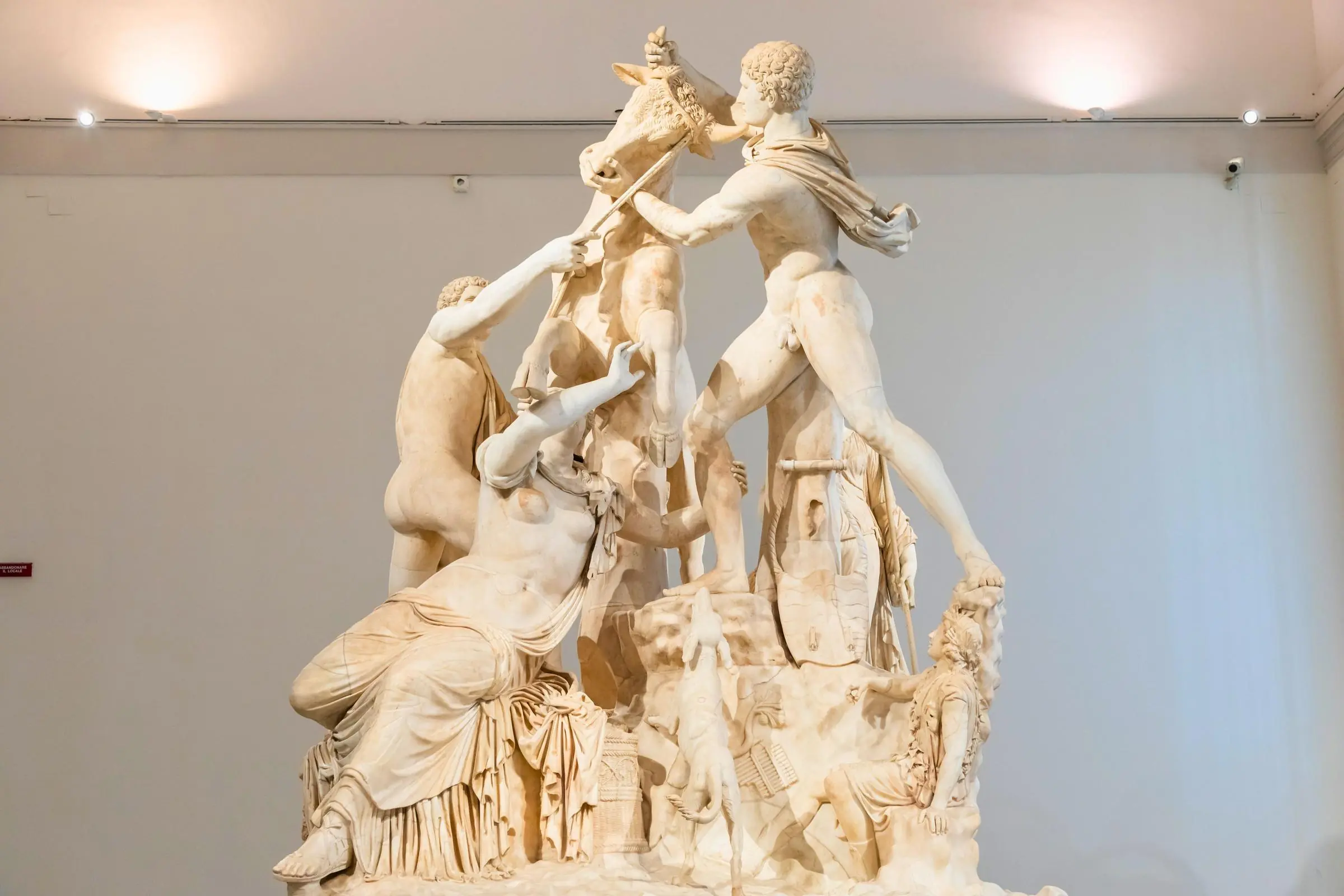
When you walk into the main atrium, you are greeted by the Farnese Collection—a trove of monumental Roman and Greek sculptures inherited by the Bourbon kings.
The undisputed centerpiece is the Farnese Bull (Toro Farnese). It is the largest single sculpture recovered from antiquity, carved from a single, massive block of marble. It depicts the myth of Dirce being tied to a wild bull by the sons of Antiope. Originally excavated from the Baths of Caracalla in Rome, the sheer scale and intricate detail of the ropes, the straining muscles of the bull, and the terrified expression of Dirce make it a masterpiece of Hellenistic art.
2. The Pompeii Mosaics (Mezzanine)
If you only have time for one room in the entire museum, make it the mosaic wing on the Mezzanine floor. These floors and wall panels were carefully lifted from the wealthiest villas in Pompeii and Herculaneum.
The highlight is the Alexander Mosaic, originally found in the House of the Faun in Pompeii. Measuring nearly 9 by 17 feet, it depicts Alexander the Great charging into battle against the Persian King Darius III. It is made of roughly 1.5 million tiny colored tiles (tesserae). Look closely at the details: the reflection of a dying Persian soldier in his own shield, and the panicked eye of Darius’s horse.
3. The Secret Cabinet (Mezzanine)
Known as the Gabinetto Segreto, this small suite of rooms houses the erotic art, frescoes, and phallic amulets recovered from Pompeii’s brothels (lupanars), taverns, and private homes.
For centuries, these items were considered too scandalous for the public and were locked away, only viewable by “persons of mature age and respected morals.” Today, it is open to the public, offering a fascinating, unfiltered look at how comfortable the Romans were with sexuality.
Access Rules: Children under 14 are not permitted in the Secret Cabinet without an accompanying adult. During peak summer months, the museum sometimes requires you to pick up a free, timed-entry ticket at the main desk to enter this specific room to prevent overcrowding.
4. The Herculaneum Papyri (First Floor)
Located in the Villa of the Papyri exhibit, this section contains the carbonized remains of an entire ancient library. When Mount Vesuvius erupted, the intense heat flash-fried the scrolls, turning them into solid lumps of charcoal.
For decades, attempts to unroll them destroyed the delicate papyrus. Today, scientists use non-invasive CT scans and AI to read the text inside the closed scrolls. The exhibit showcases the blackened scrolls alongside the high-tech machinery used to decode the lost works of Epicurean philosophy.
5. The Egyptian Collection (Basement)
Recently renovated and reopened, MANN’s Egyptian collection is one of the oldest in Europe. It predates the unification of Italy and features artifacts collected by wealthy Neapolitan families in the 18th and 19th centuries.
You will find remarkably well-preserved mummies, intricate sarcophagi, and a fascinating “fake” section—a collection of 19th-century forgeries that wealthy Europeans were tricked into buying during the height of Egyptomania, which the museum now displays as a lesson in historical counterfeiting.
Keep Planning: If you are fascinated by the underground and the layers of history beneath the city, pair your museum visit with a guided tour of Naples Underground.
A 2-Hour Highlight Itinerary
If you want to get in, see the best of the museum, and get out before museum fatigue sets in, follow this route:
The 2-Hour MANN Hit List
⏱️ Total: 2 hThe Farnese Collection
Start on the Ground Floor. Walk through the main hall to see the Farnese Hercules and the Farnese Bull.
The Mosaics
Head up the grand staircase to the Mezzanine. Spend your time in the mosaic wing, ensuring you see the Alexander Mosaic and the intricate sea-life mosaics from Pompeii.
The Secret Cabinet
Stay on the Mezzanine and enter the Gabinetto Segreto. It is a small area, so 20 minutes is plenty of time to view the frescoes and amulets.
Daily Life in Pompeii
Move to the First Floor (Primo Piano) to see the bronze statues from the Villa of the Papyri, the carbonized scrolls, and the collection of everyday Roman objects (glassware, surgical tools, and carbonized food).
Where to Stay Near the Museum
The area immediately surrounding the museum (Piazza Cavour and the edge of the Rione Sanità) is bustling, slightly gritty, and incredibly authentic. It is a highly strategic place to stay because you are on two major metro lines (Line 1 and Line 2) and within walking distance of the Centro Storico.
Use the map below to find accommodations within a 10-minute walk of the museum entrance.
Frequently Asked Questions
How much time do I need at the National Archaeological Museum of Naples?
To see the highlights without rushing, plan for 2 to 2.5 hours. If you are a deep history enthusiast who wants to read every placard and explore the basement Egyptian collection and the top-floor numismatics (coins), you will need 4 hours.
Is the Secret Cabinet always open?
Generally, yes. However, it is a small space and can get crowded. During peak tourist season (June-August), the museum sometimes implements a free, timed-entry system for this specific room. You simply ask for a time slot at the main ticket desk when you arrive.
Can I bring water and snacks into the museum?
You can bring a small water bottle, but eating inside the galleries is strictly prohibited. There is a cafe located in the museum’s courtyard where you can buy coffee, pastries, and light lunches.
Is the museum air-conditioned?
Yes, but the effectiveness of the air conditioning varies wildly by room. The Mezzanine (where the mosaics are) tends to be quite warm in July and August, while the basement Egyptian collection is usually very cool. Dress in light layers.
Are there elevators for strollers and wheelchairs?
Yes. MANN is fully accessible. There are ramps at the entrance and elevators connecting all four floors. However, you will need to ask staff to point out the elevators, as they are tucked away in the corners of the palazzo, away from the grand central staircase.
Should I visit Pompeii or the museum first?
Chronologically, it makes sense to visit the ruins of Pompeii or Herculaneum first to understand the scale of the cities, and then visit MANN the next day to see the art and objects that filled those empty houses. However, doing both in a single day is exhausting; split them across two days if possible.
For official opening hours and unexpected closure announcements, always double-check the official MANN website before your visit.